
MuniRem® treatment, delivered on your site.
Sentinel Energetics provides on-site treatment through its teaming agreement with MuniRem®. Every application is done in place at your site. Sentinel Energetics Disposal is MuniRem®'s Exclusive Market Development and Authorized Commercial Representative for Highland Industrial Park in Camden, Arkansas.
How MuniRem works
Burning or blowing up old explosives creates new hazards of its own. MuniRem takes a different route: chemistry instead of fire. 1. What goes in. Explosive material, such as bulk explosives or explosive-contaminated soil, sludge or water, is mixed with MuniRem reagent. The reagent can be applied as a liquid or a powder. 2. What the reagent does. MuniRem is a sulfur-based reagent. It reacts with the explosive and breaks its molecules apart, at normal outdoor temperature, with no heat, flame or detonation. MuniRem reports this happens within minutes for many explosives. 3. What comes out. According to MuniRem, the explosive breaks down into simple, stable products such as nitrogen, carbon dioxide and sulfate, and heavy metals are tied up as metal sulfides. MuniRem classifies these by-products as non-hazardous waste. 4. How it's checked. Every waste stream is different, so the dose is set for the material and the site, often after a small test batch. End products are tested by an EPA-certified laboratory before any claims are made.
Energetics and other contaminants MuniRem® treats
ADNTs / DNTs ANAL / ANFO / ANSol Black powder Chemical warfare agents (CWA) Dynamite HME, e.g. TATP HMX / RDX / TNT IMX / NTO Lead styphnate Lead azide / dextrinated lead azide (DLA) Mercuric 5-nitrotetrazole (DXN-1) NBs / NDMA Nitroglycerine Nitrocellulose PBX PCBs PETN Picric acid Pyrotechnics (fireworks and flares) Reactive aluminum Metals: As, Ba, Cd, Cr, Pb, Hg and more Chlorinated compounds Perchlorate in soil and water, biologically degraded to chloride, water and oxygen Red, pink and yellow process water White phosphorus, with a treatability study Other materials, including BKNO3 igniter pellets and PBX compositions, are evaluated case by case with a treatability study or demonstration.
Applications
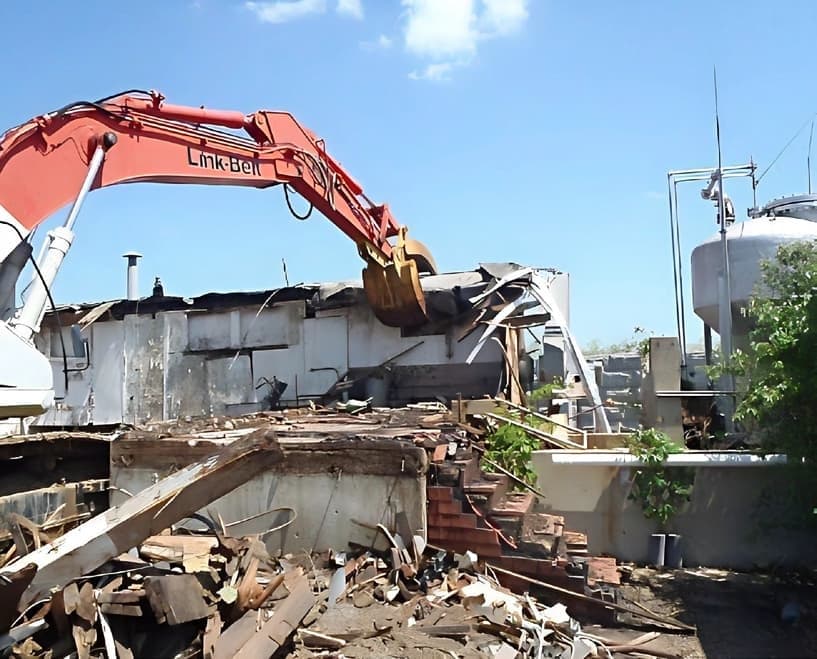
Demilitarization
Bulk explosives neutralization. Demilitarization-derived waste. Recovered underwater munitions. Humanitarian demining. Neutralization of fireworks and flares.
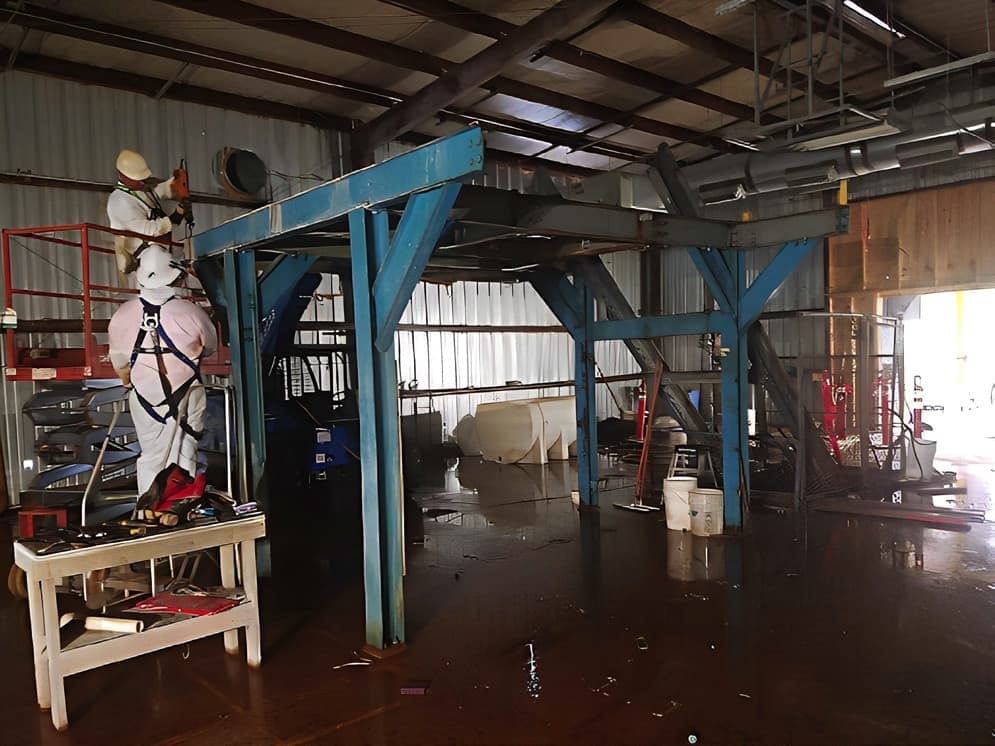
Decontamination
Manufacturing equipment. Former explosives manufacturing buildings. Scrap metal and bomb casings. Indoor training range maintenance.
Remediation
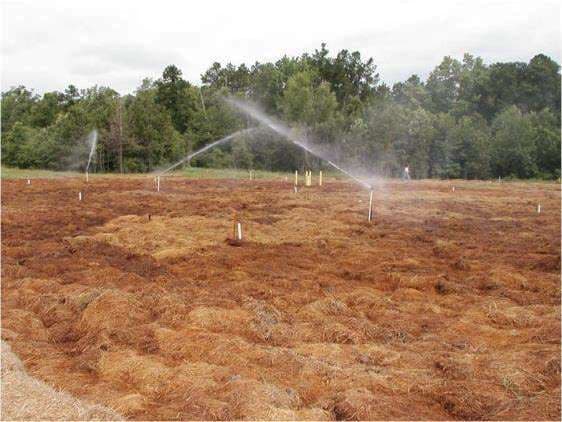
Rapid soil remediation. Groundwater remediation. OB/OD site remediation.
Treatment systems
MuniRem® is developing additional treatment equipment, including for fireworks and flares, and its engineers can tailor a solution to your site. Ask us about customized configurations for your waste stream.
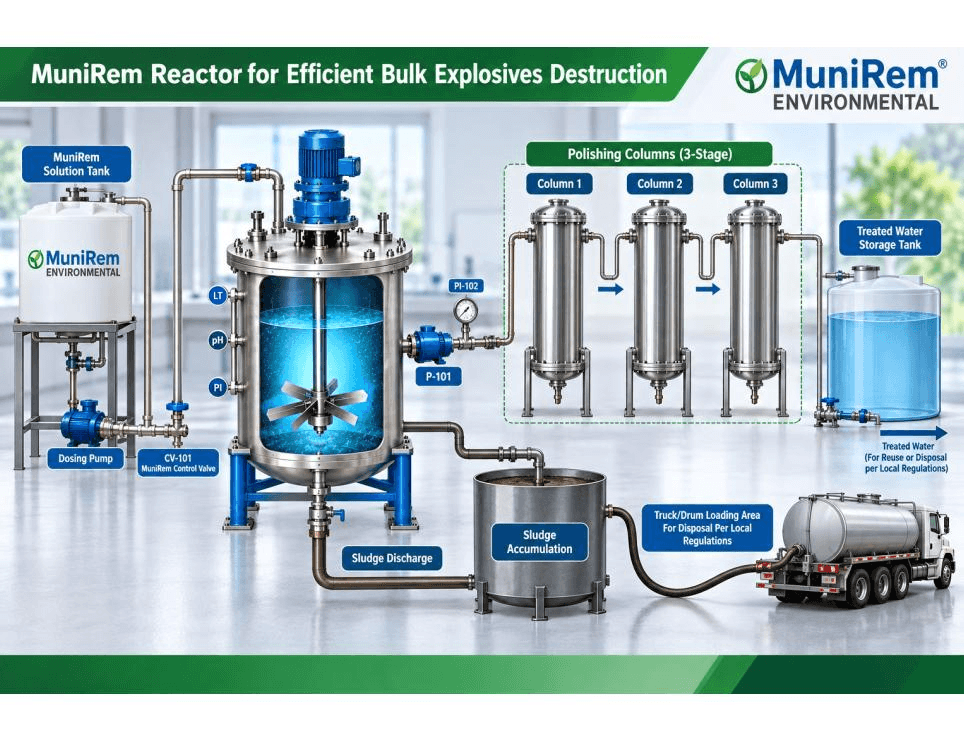
MuniRem® Reactor
A reactor system for efficient bulk explosives destruction, with three-stage polishing columns and treated water storage.
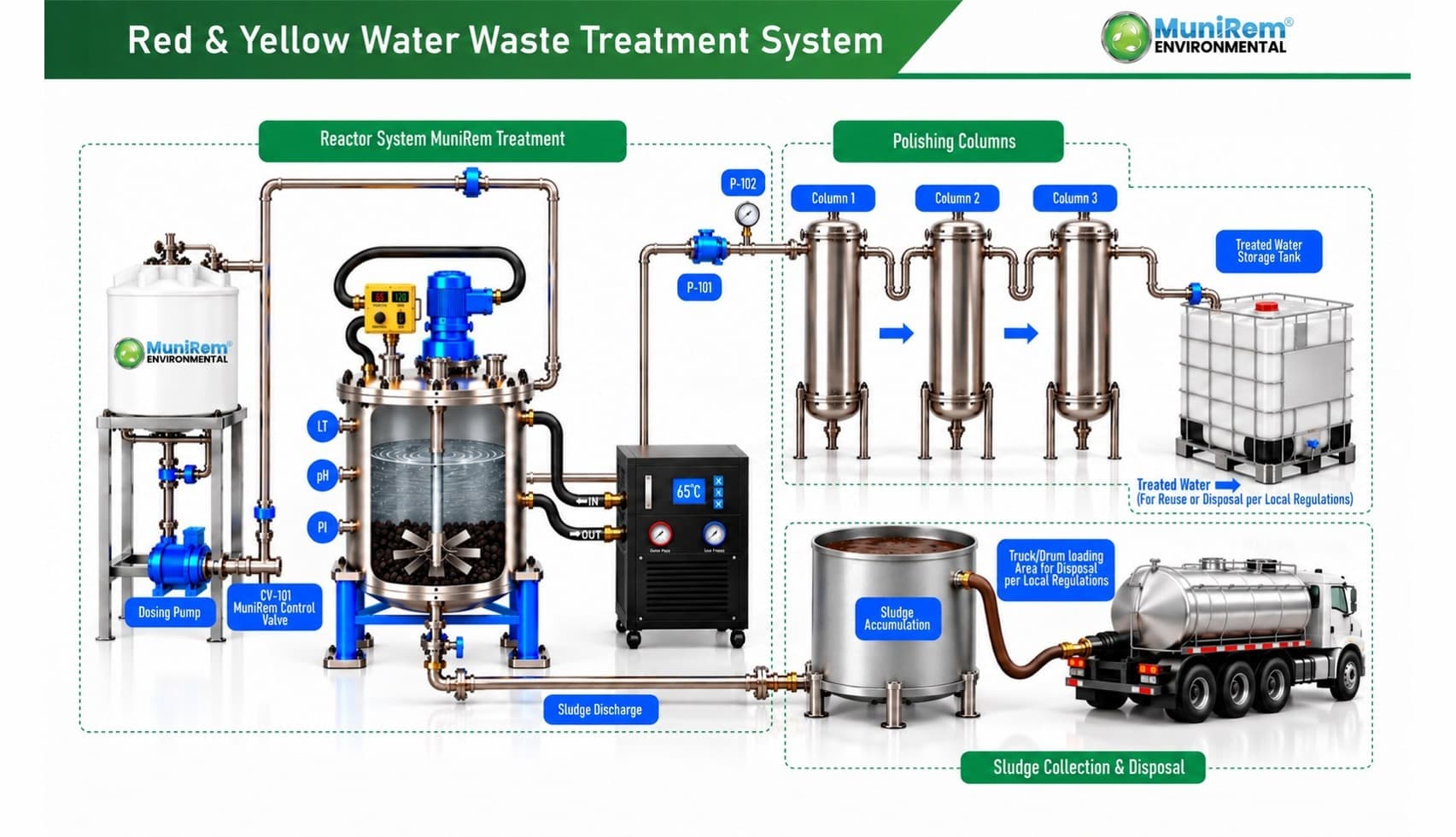
Red and pink wastewater treatment
A stirred-tank reactor with three polishing columns for explosives-contaminated red, pink and yellow process water.
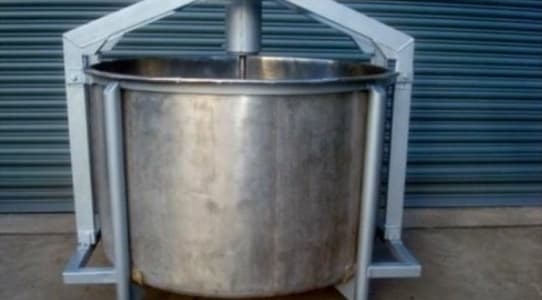
Customized treatment configurations
MuniRem® treatment can be configured for different materials and site setups. Ask us about customized configurations for your waste stream.
Configured for your site
MuniRem continues to develop new equipment, including units for fireworks and flares. Ask us about customized configurations for your waste stream.
Fits into your current process, no new RCRA permit
For manufacturers and other generators, MuniRem can slot into existing operations. According to EPA's RCRA headquarters, generators may treat hazardous waste without a RCRA permit when the treatment is non-thermal, happens on-site, and takes place in tanks or containers. MuniRem fits that description. EPA's guidance, as received from USEPA RCRA Headquarters: "Generators may conduct hazardous waste treatment without a RCRA permit only if it is non-thermal treatment in tanks or containers occurring on-site. Thus, so long as the entirety of treatment for the Munirem process (e.g., any pretreatment such as soaking, crushing/shredding/cutting/grinding as well as the primary neutralization treatment itself) is conducted within an enclosed tank or container and the treatment is conducted onsite by the generator of the waste, then a RCRA permit would not be required. (The residuals and wastewater from the treatment process would need to be tested to confirm whether any hazardous characteristics remain so that appropriate disposition can be determined.)" In short: keep every step inside an enclosed tank or container at your own site, then test the residuals and wastewater before disposal. Pretreatment steps like these are examples from EPA's guidance, not a standard Sentinel service. Ask us about customized configurations for your waste stream.
Proven on white phosphorus
In a pilot study, a customized MuniRem®-WP reagent neutralized about 98% of the original white phosphorus at a 2:1 mass ratio, stopping the samples from smoking when exposed to air. WP was reduced from about 14 pounds to 0.35 pounds, below the CERCLA one-pound reporting requirement, and transformed into phosphate minerals confirmed by X-ray diffraction at the University of Georgia.
Proven on H-6 explosives
At a former Army ammunition plant, MuniRem® solution desensitized H-6 on a melter/flaker machine so crews could recover it safely. The job plan assumed about 200 lbs, but over 900 lbs of bulk explosive was recovered and neutralized. MuniRem reports the equipment was decontaminated to the DoD 5X level for off-site recycling.
Proven on aged TNT
At a former munitions plant, about 12 kg of aged TNT sat inside a 150 mm pipe beneath a building. MuniRem® solution was flushed through and left in the pipe. Camera footage and lab analysis confirmed the cleanup goal was met in under 48 hours, without interrupting other work on site.
Proven on picric acid (Explosive D)
In a pilot for the U.S. Army, multiple 10-pound batches of Explosive D recovered from Navy projectiles were treated with MuniRem® in a reactor. MuniRem reports the explosive was degraded to formate and nitrogen gas in under an hour, and the metal casings reached non-detect (DoD 5X) levels.
Proven on TNT, RDX and HMX in soil
At an Army ammunition plant test area, hot spots averaged about 3,347 mg/kg TNT, 5,977 mg/kg RDX and 640 mg/kg HMX. MuniRem® was tilled into the soil and activated with water. MuniRem reports the cleanup goal was met within 24 hours, and within two weeks at the worst hot spots, reconfirmed and independently validated.
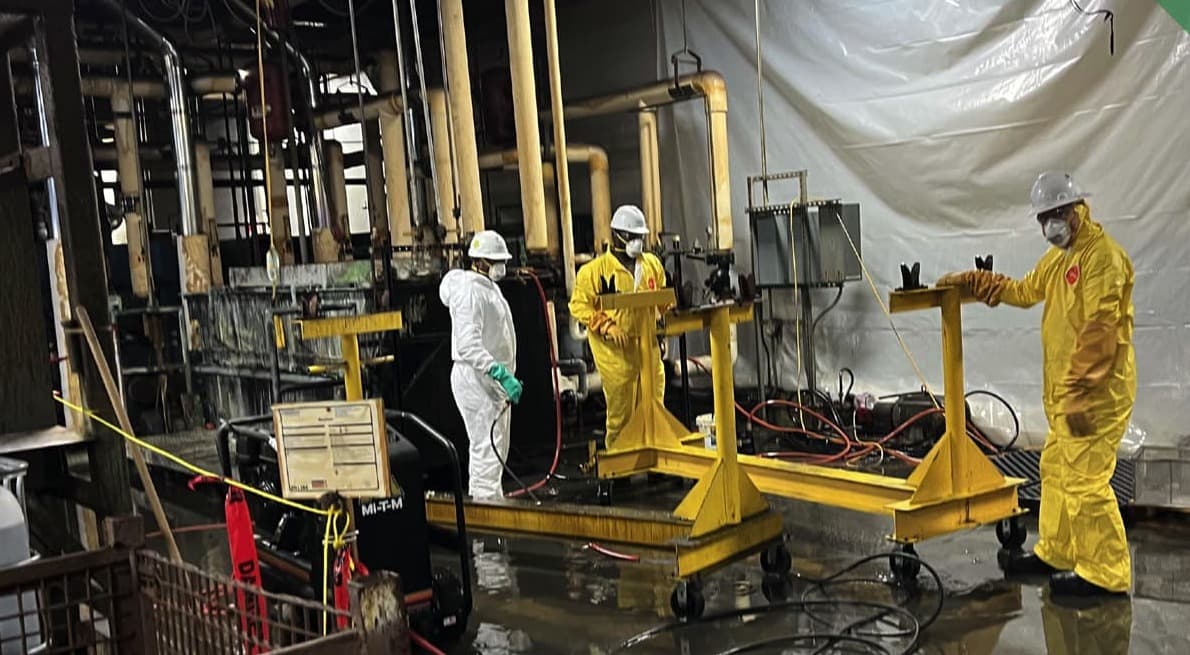
Proven on explosive-contaminated buildings
At an active ammunition plant, a former TNR production building had explosive crystals in its walls and cracks. Of five technologies evaluated, MuniRem® was chosen as the safest and most cost-effective. Spraying it decontaminated equipment to DoD 5X, so the planned thermal treatment wasn't needed and the building could be safely demolished.
Verified results
End products are characterized by an EPA-certified laboratory before any claims are made.
What’s left after treatment
Effective application of MuniRem® generates non-hazardous waste as end products. Explosives break down to products such as nitrogen, carbon dioxide and sulfate, and heavy metals are converted to metal sulfides. The reagent dose is set by the explosive type, amount and site conditions.
MuniRem® project examples
Examples of MuniRem® projects completed by MuniRem® Environmental.
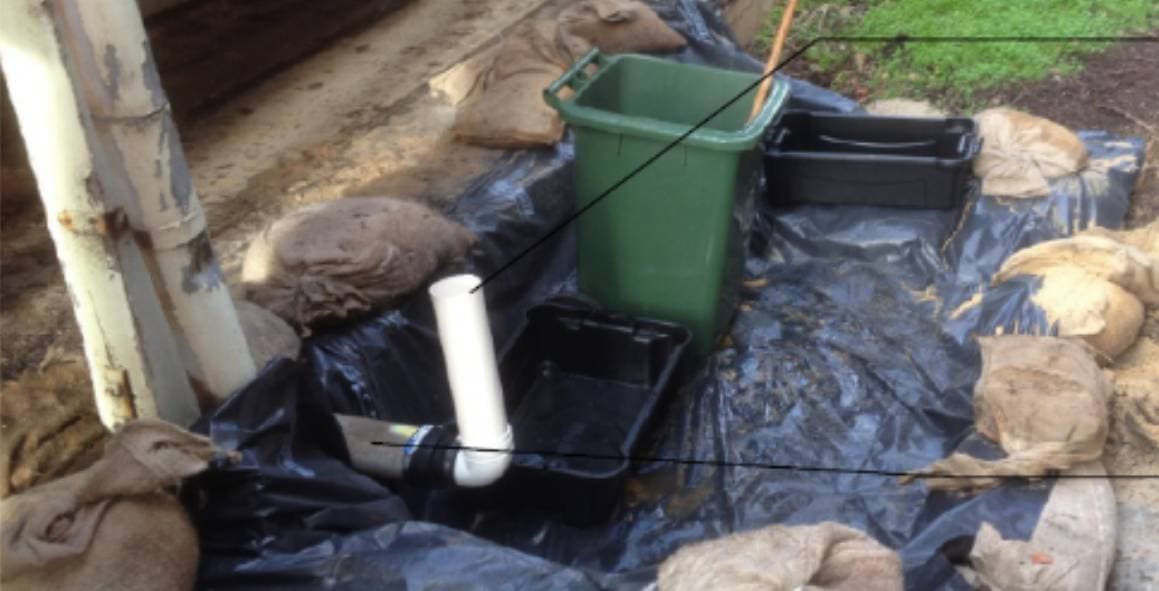
Aged TNT in pipes — Former munitions production plant (Australia, 2013)
About 12 kg of aged TNT had built up in a buried 150 mm pipe beneath a building. A custom-formulated MuniRem® reagent was flushed through the pipe and left to soak for 18 hours, and the flushing solution was treated with MuniRem® powder. MuniRem® achieved the cleanup goal in less than 48 hours after application.
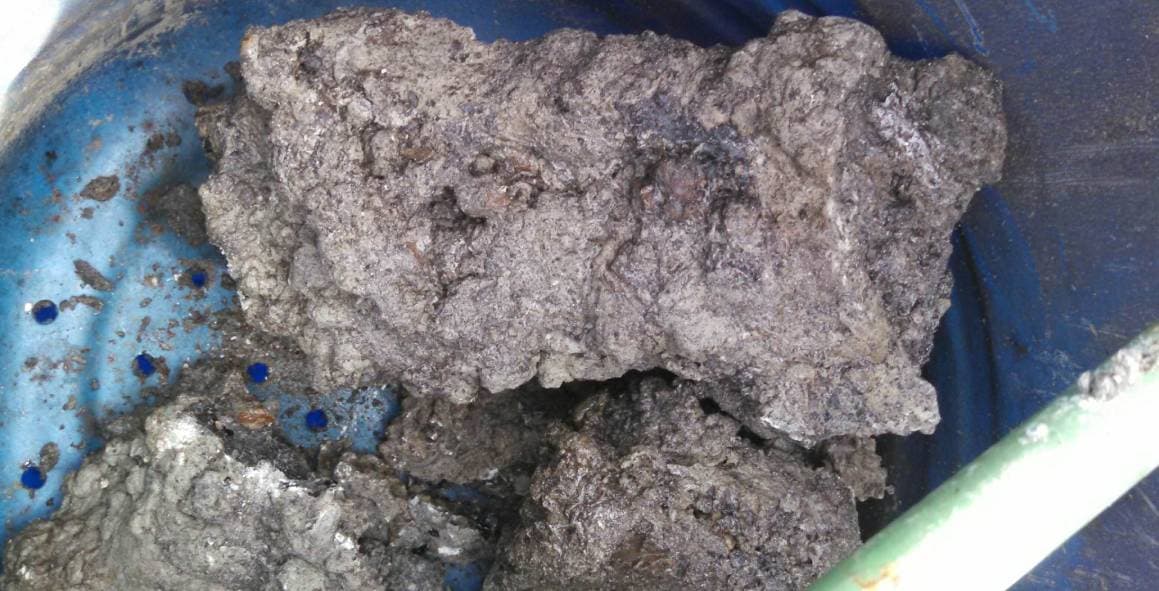
Bulk H-6 recovery — Former Army ammunition plant (2015)
Bulk H-6 explosive was caked onto a Melter/Flaker machine. A continuous MuniRem® spray desensitized the material so crews could recover it and neutralize it in reaction tanks, and then the equipment was taken apart with hand tools. "Over 900 lbs of bulk explosive material was recovered" and "the equipment was decontaminated to 5X to enable off-site recycling."
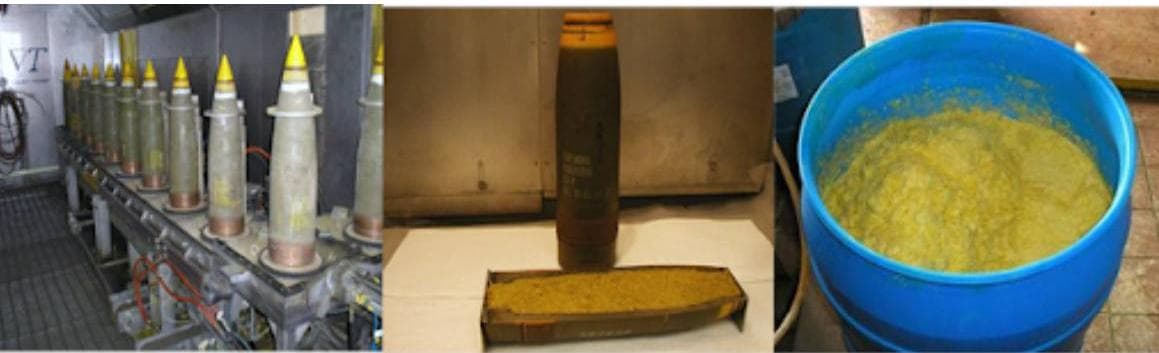
Explosive D (picric acid) demilitarization — U.S. Army Corps of Engineers (2009)
Navy projectiles contained Explosive D (ammonium picrate). MuniRem® Environmental designed a 10 lb/hr reactor and used it to neutralize the recovered explosive in batches. "The explosives were degraded to formate and nitrogen gas in less than one hour" and MuniRem® "achieved non detectable levels (US DoD 5X)" on the metal casings.
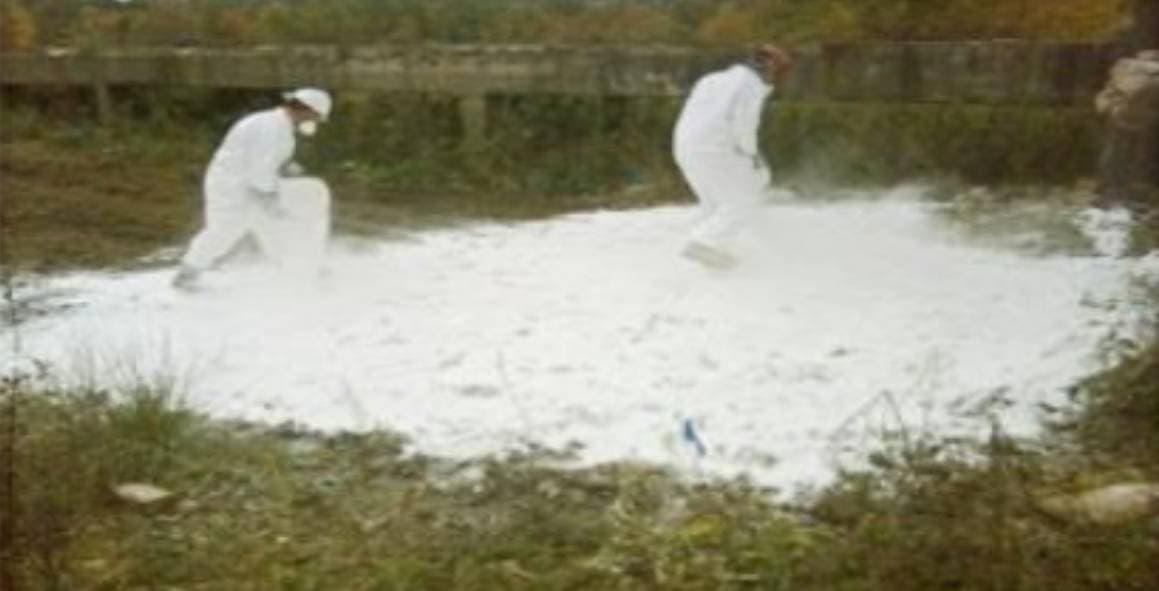
Explosives-contaminated soil — Ravenna Army Ammunition Plant (2009)
Soil hot spots held TNT, RDX and HMX at thousands of mg/kg. MuniRem® activators and reagent were tilled into the soil, and water was added to start the reaction. MuniRem® achieved the cleanup goal within 24 hours after application. The results were independently validated by a certified chemical data validator.
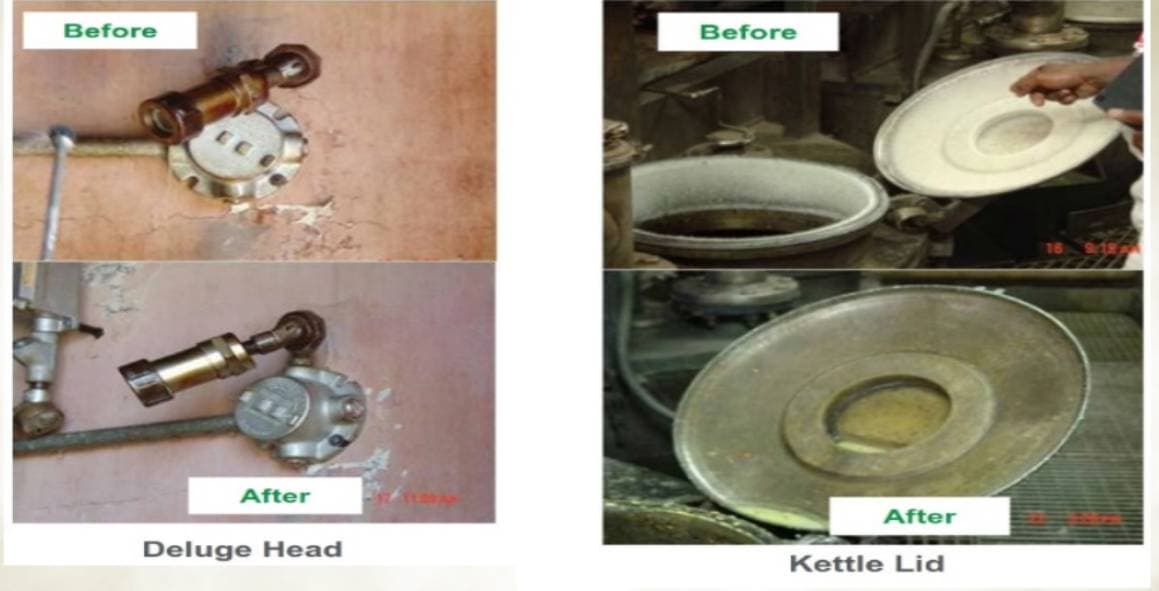
Explosives manufacturing facility decontamination (ongoing, multiple sites)
Steam cleaning only dissolves explosive residues and leaves behind reactive wastewater. Manufacturers now use spray-applied MuniRem® liquid for routine cleaning of their equipment and work areas. Spray application of MuniRem liquid destroys explosive residues and generates wastewater characterized as non-hazardous.